


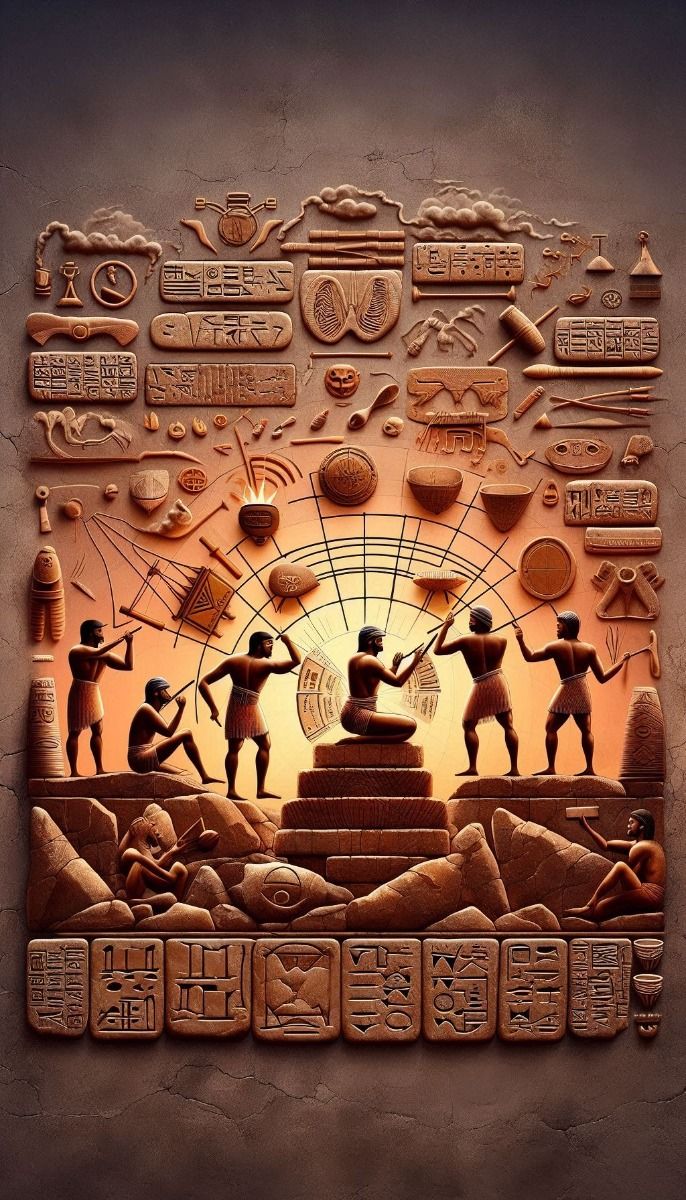
Master of Biblical Exegesis and Ancient Languages
St. Thomas Malayalam University
The Master’s in Biblical Exegesis and Ancient Languages equips students with advanced skills to interpret, analyze, and translate biblical and historical texts. Students engage with Greek, Latin, and Hebrew manuscripts, learning both theoretical and practical aspects of scriptural scholarship.
The program includes:
Textual Analysis: Study of biblical passages and historical manuscripts.
Language Proficiency: Advanced training in ancient languages.
Research Seminars: Collaboration with experts in theology, linguistics, and history.
Field Studies: Visits to archives, libraries, and research centers.
Program emphases:
Exegesis: Critical interpretation of biblical texts.
Manuscript Study: Hands-on examination of ancient codices and scrolls.
Publication Skills: Prepare research for journals and academic presentations.
Core Curriculum
| Semester | Course Title | Credits | Instructor | Mode |
|---|---|---|---|---|
| 1 | Advanced Greek & Hebrew Texts | 10 | Prof. David Roberts | Lecture |
| 1 | Biblical Hermeneutics | 5 | Dr. Rachel Green | Seminar |
| 2 | Historical Context of Scriptures | 10 | Dr. Mark Hamilton | Lecture |
| 2 | Manuscript Analysis Workshop | 10 | Dr. Clara Wilson | Workshop |
| 3 | Comparative Religious Studies | 10 | Prof. Linda Foster | Seminar |
| 3 | Research Thesis Preparation | 5 | Prof. David Roberts | Workshop |
| 4 | Dissertation & Publication | 15 | Assigned Supervisor | Research |
Elective Modules
| Module Name | Description | Credits |
|---|---|---|
| Biblical Texts in Greek | Study of New Testament manuscripts in Koine Greek | 5 |
| Latin Scriptural Traditions | Analysis of Latin Vulgate and other medieval translations | 5 |
| Hebrew Bible Studies | Advanced interpretation of Hebrew scriptures | 5 |
| Archaeology of Early Christianity | Examination of archaeological sites and artifacts related to early Christianity | 5 |
Intake and Fee Schedule
| Intake Month | Duration (Months) | Tuition Fee (£) | Additional Costs (£) |
|---|---|---|---|
| January 2026 | 24 | 2,800 | 300 (materials & library access) |
| September 2026 | 24 | 2,800 | 300 (materials & library access) |
Note: Applicants must have an undergraduate degree in Theology, History, or Languages.
Research Facilities
Students gain access to:
Rare biblical manuscripts and ancient texts.
Libraries with extensive historical archives.
Digital research resources for textual and linguistic studies.
Seminars and workshops with visiting scholars.
Program Learning Outcomes
Graduates will be able to:
Analyze and interpret biblical and historical manuscripts.
Conduct independent research in exegesis and ancient languages.
Prepare scholarly publications and conference presentations.
Collaborate on interdisciplinary projects in historical and religious studies.
Sample Weekly Schedule
| Day | Activity | Location | Hours |
|---|---|---|---|
| Monday | Lecture: Biblical Texts in Greek | Lecture Hall C | 3 |
| Tuesday | Workshop: Manuscript Study | Library – Special Collections | 4 |
| Wednesday | Seminar: Historical Contexts | Seminar Room 4 | 2 |
| Thursday | Research Lab: Textual Analysis | Research Lab 3 | 4 |
| Friday | Individual Research / Meetings | Supervisor’s Office | 3 |
Assessment and Dissertation
Continuous Assessment: Essays, presentations, and coursework for each module.
Dissertation: Completion of original research in biblical exegesis.
Oral Defense: Defense of dissertation before a faculty panel.
Why Study Master’s in Biblical Exegesis and Ancient Languages?
Deepen expertise in biblical texts and ancient languages.
Hands-on experience with manuscripts and historical texts.
Career opportunities in research, archives, religious institutions, and academic teaching.
Opportunities for international collaboration and publications.